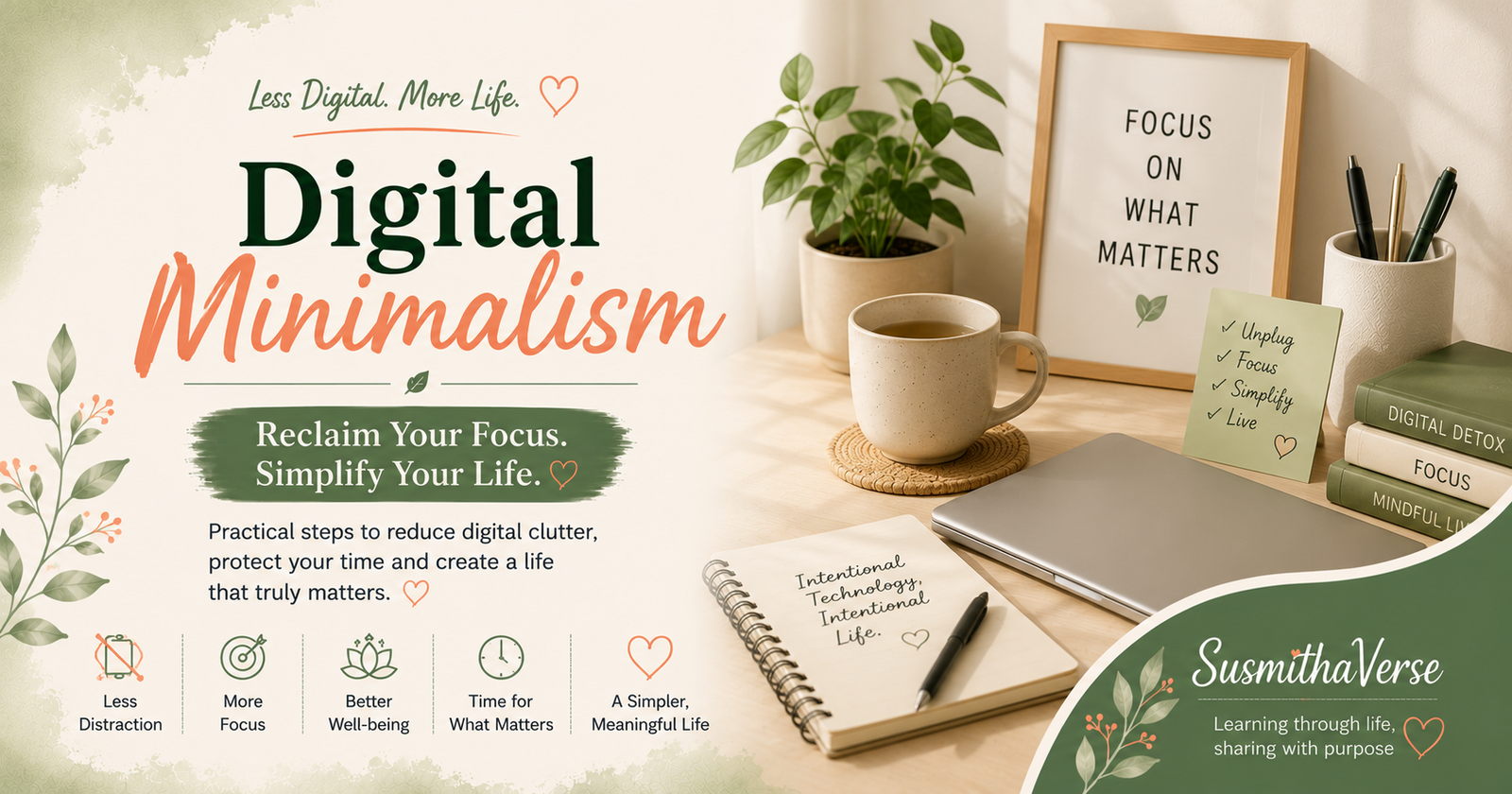
Digital Minimalism: A Powerful Way to Find Focus in the Age of AI
Discover digital minimalism — a simple philosophy to cut AI-driven distractions, reclaim focus, and build healthier tech habits in daily life.
Introduction
Digital minimalism is becoming essential as we live in the golden age of technology — where Artificial Intelligence curates what we watch, recommends what we buy, and even drafts our emails. But with convenience comes a hidden cost—constant distractions. Notifications, endless scrolling, and algorithm-driven feeds keep us plugged in 24/7.
While technology should empower us, it often overwhelms us. The solution isn’t to quit digital life—it’s to manage it better. That’s where digital minimalism comes in: a philosophy of simplifying your digital environment so you can live with more focus, clarity, and control.
In this post, let’s explore what digital minimalism means in the age of AI, why it matters, and practical steps you can apply immediately to regain balance.

🌐 What is Digital Minimalism?
Digital minimalism is a way of using technology intentionally instead of letting apps, notifications, and algorithms decide where your time and attention go.
It doesn’t mean giving up your smartphone, deleting every social media app, or avoiding technology altogether. Instead, the goal is to keep the digital tools that genuinely support your work, relationships, learning, or personal goals — and reduce the ones that create unnecessary distraction.
Think of it like decluttering your home. When you remove things you don’t use, you create more space for what matters. Digital minimalism applies the same idea to apps, notifications, emails, social media, and other digital habits.
Example:
- A student deletes distracting apps like Instagram and Facebook during exam season, keeping only note-taking and study apps.
- A professional uses email filters to automatically sort newsletters, saving time for important work messages.
📱 Digital Minimalism vs. a Digital Detox
Digital minimalism and a digital detox are related, but they aren’t the same thing.
A digital detox usually involves taking a temporary break from certain devices, apps, or online activities. Digital minimalism is more about changing your long-term relationship with technology.
You don’t necessarily need to disappear from the internet for a week. You can start by deciding which technologies genuinely add value to your life and creating boundaries around the rest.
Digital detox: Take a temporary break.
Digital minimalism: Build a more intentional digital life.
For most people, the second approach is easier to maintain because it focuses on habits rather than a one-time reset.
🤯 Why AI Can Make Digital Distraction Worse
AI isn’t necessarily the problem. The bigger issue is how AI-powered platforms personalize what we see and make it easier to keep consuming content without consciously choosing to.
Recommendation feeds, personalized notifications, endless content and automated suggestions can turn a quick check into a much longer session.
The result is a digital environment where there is always something new competing for your attention.
Scenario:
You open YouTube to watch a 10-minute tutorial. Two hours later, you’re still watching AI-recommended videos about unrelated topics. The tool meant to help you ended up stealing your focus.
✅ Benefits of Practicing Digital Minimalism
When you simplify your digital life through digital minimalism, you gain:
- Better Focus – More deep work, less mindless scrolling.
- Lower Stress – Fewer pings = calmer mind.
- Extra Time – Hours saved daily can go into hobbies, relationships, or learning.
- Stronger Relationships – More present conversations instead of half-focused scrolling.
- Improved Well-Being – Less digital overload can make it easier to create healthier screen habits, protect downtime, and be more present.
Example: People who reduce smartphone notifications report improved sustained attention, better mental health, and greater subjective well-being, according to a study published in PNAS Nexus.
⏱️ A 30-Minute Digital Minimalism Reset
If the idea of changing your entire digital life feels overwhelming, don’t start there. Try this simple 30-minute reset instead.
10 minutes: Clean your phone
- Delete 3–5 apps you no longer use.
- Move distracting apps off your home screen.
- Keep only essential apps immediately visible.
10 minutes: Fix your notifications
- Turn off social media notifications.
- Disable promotional notifications.
- Keep alerts that genuinely require your attention.
10 minutes: Create one tech-free period
Choose one:
- dinner
- the first 30 minutes after waking up
- the last 30 minutes before bed
- one focused work session
You don’t need a perfect digital life. You just need to make your next digital decision more intentional.
🛠️ 7 Practical Ways to Practice Digital Minimalism
Here’s the heart of it—actionable steps you can try today:
1. Declutter Your Apps
- Delete apps you haven’t used in the last 30 days.
- Keep only those that help with work, learning, or meaningful relaxation.
- Use folders to group “must-have” apps and move distracting apps off your home screen.
Tools:
- Digital Wellbeing (Android)
- Screen Time (iOS)
2. Manage Notifications Smartly
Constant buzzing hijacks your focus.
- Turn off social media notifications.
- Set “Do Not Disturb” hours (e.g., during work or bedtime).
- Use email filters to auto-sort promotions/newsletters.
Example: Instead of checking WhatsApp 50 times a day, schedule 2–3 slots for replies.
3. Create Tech-Free Zones
- No phones at the dining table.
- Keep your bedroom screen-free to improve sleep quality.
- Try a “Digital Sabbath” (one screen-free day each week).
Scenario: Many families adopt a “no devices at dinner” rule, leading to better conversations and bonding.
4. Use AI Wisely (Instead of Being Used by It)
AI can either be your biggest distraction or your biggest productivity tool.
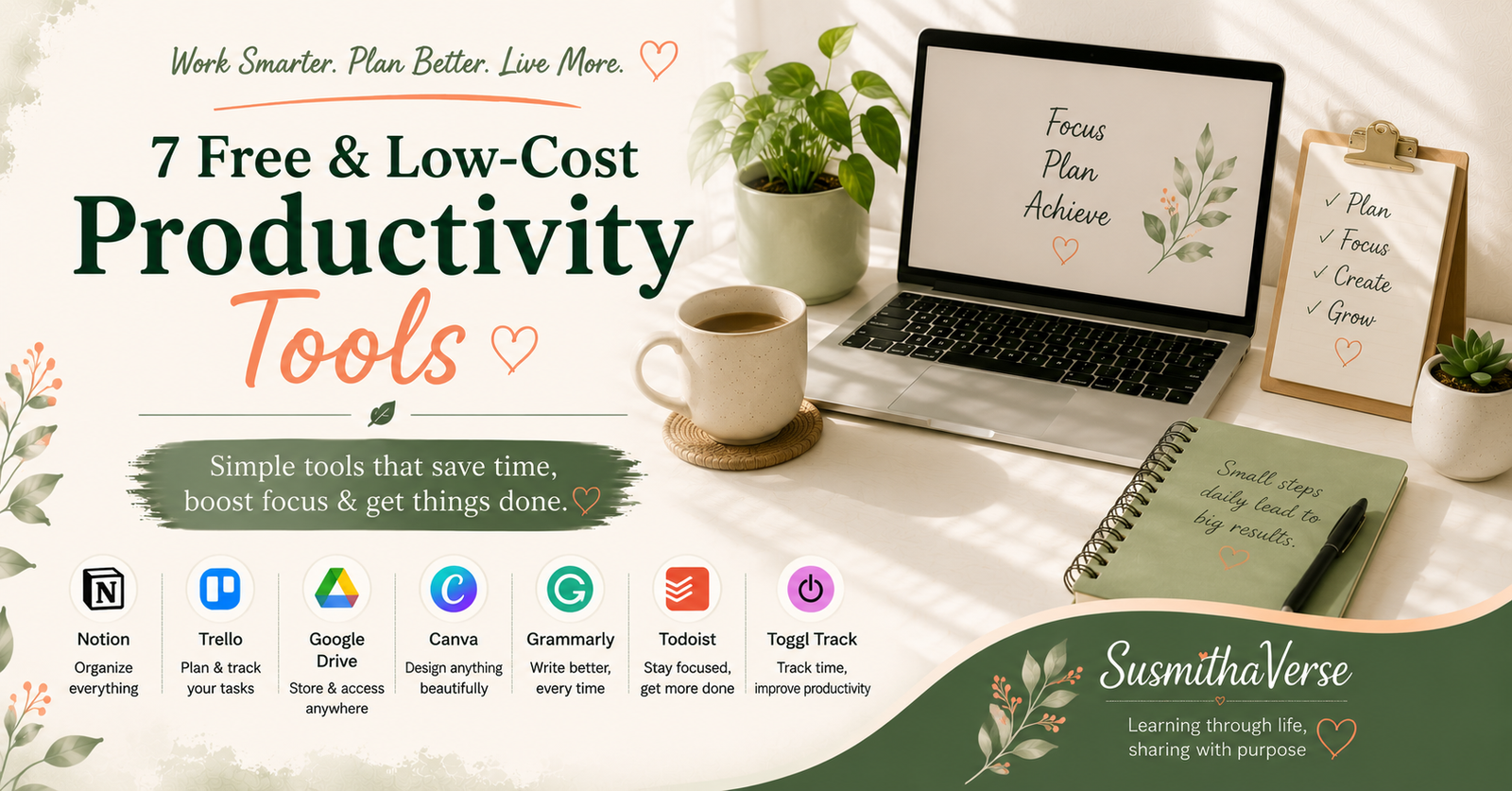
If you’re looking for practical ways to make technology work for you, these free productivity tools can help simplify everyday tasks without adding more digital clutter.
Smart Uses:
- Summarize long articles using tools like ChatGPT or Perplexity AI.
- Automate repetitive tasks (calendar invites, reminders).
- Use AI note-takers for meetings, so you stay engaged instead of typing.
Avoid Traps:
Don’t let AI-driven entertainment (like YouTube or TikTok feeds) pull you in for hours. Use them mindfully.
5. Set Digital Boundaries
- Start with a realistic screen-time goal for your biggest distraction.
For example, if social media currently takes 2 hours a day, try reducing it gradually rather than setting an unrealistic target overnight. - Schedule tech-free “focus blocks” for deep work.
- Use apps like Forest or Freedom to block distractions.
6. Simplify Your Information Diet
We consume way more information than our brains can handle.
- Unsubscribe from unnecessary newsletters.
- Limit yourself to 1–2 trusted news sources.
- Batch content consumption instead of checking feeds all day.
7. Replace Digital Time with Analog Joy
Minimalism is not about emptiness—it’s about making space for better things.
- Read physical books.
- Start journaling.
- Take evening walks without your phone.
- Pick up hobbies like cooking, gardening, or painting.
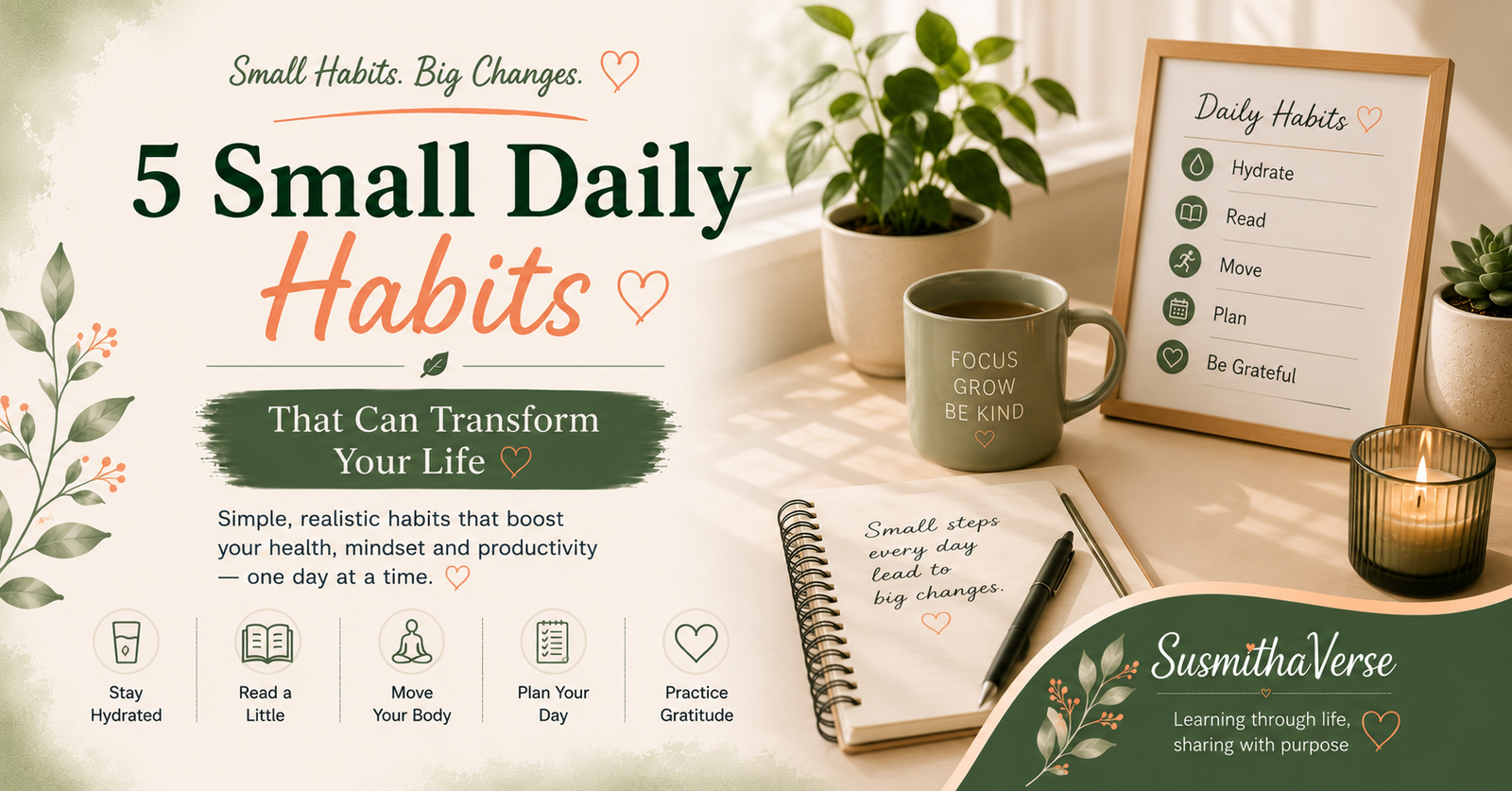
The key is to make these changes part of your small daily habits rather than trying to completely change your lifestyle overnight.
🌱 Real-Life Example: A Week of Digital Minimalism
Here’s how one could apply it step by step:
- Day 1: Delete 5 unused apps.
- Day 2: Turn off non-essential notifications.
- Day 3: Try a tech-free meal.
- Day 4: Limit social media to 30 minutes using an app.
- Day 5: Batch emails (check only twice a day).
- Day 6: Use AI to summarize your daily tasks instead of scrolling.
- Day 7: Spend one evening completely offline—read, talk, or rest.
✨ Final Thoughts
Technology and AI are here to stay—but how we use them is our choice. Digital minimalism is not about deleting everything; it’s about making space for what matters.
By decluttering your apps, controlling notifications, setting boundaries, and using AI wisely, you can regain focus, boost productivity, and live a calmer, more intentional life.
In an age of AI-powered feeds, constant notifications, and endless digital content, practicing digital minimalism can be a simple way to protect your attention and use technology more intentionally.
🔑 Key Takeaways
- Digital minimalism = intentional use of tech.
- AI increases distractions, but it can also boost productivity if used mindfully.
- Small steps (like decluttering apps, silencing notifications, or creating tech-free spaces) create lasting impact.
- Balance is the goal: use tech without being used by it.